







Top 12 AI Agent Frameworks Comparison



Charlie Klein
.webp)
Top 12 AI Agent Frameworks Comparison
Charlie Klein


Most popular articles

Get structured, reliable data for your stack.
Abstract
AI agent frameworks are development toolkits for building AI systems that can reason through tasks, call tools, manage workflows, and interact with external systems. They give developers reusable patterns for controlling the execution logic around the model, rather than forcing each team to build custom agent workflows from scratch.
Top AI agent frameworks include:
- LangGraph
- Microsoft Agent Framework
- CrewAI
- AutoGen
- OpenAI Agents SDK
- Google Agent Development Kit
- Pydantic AI
- Mastra
- Semantic Kernel
- LlamaIndex Agents
- Agno
- OpenClaw
The teams shipping AI in 2026 aren't debating whether to deploy agents—they're deciding how. But creating reliable agent workflows from scratch is challenging. Orchestration, memory, tool use, state management, and handoffs all have to work together for agents to be successful in production.
Execution complexity is an issue when 23% of enterprises are already scaling agentic AI systems, while an additional 39% have begun agentic experimentation. AI agent frameworks solve this problem by providing developers with a structured way to build and manage agentic applications without rebuilding the same orchestration logic for every project. There are several distinct categories available, so choosing the right framework depends on the job your AI agent needs to perform.
What are AI agent frameworks?
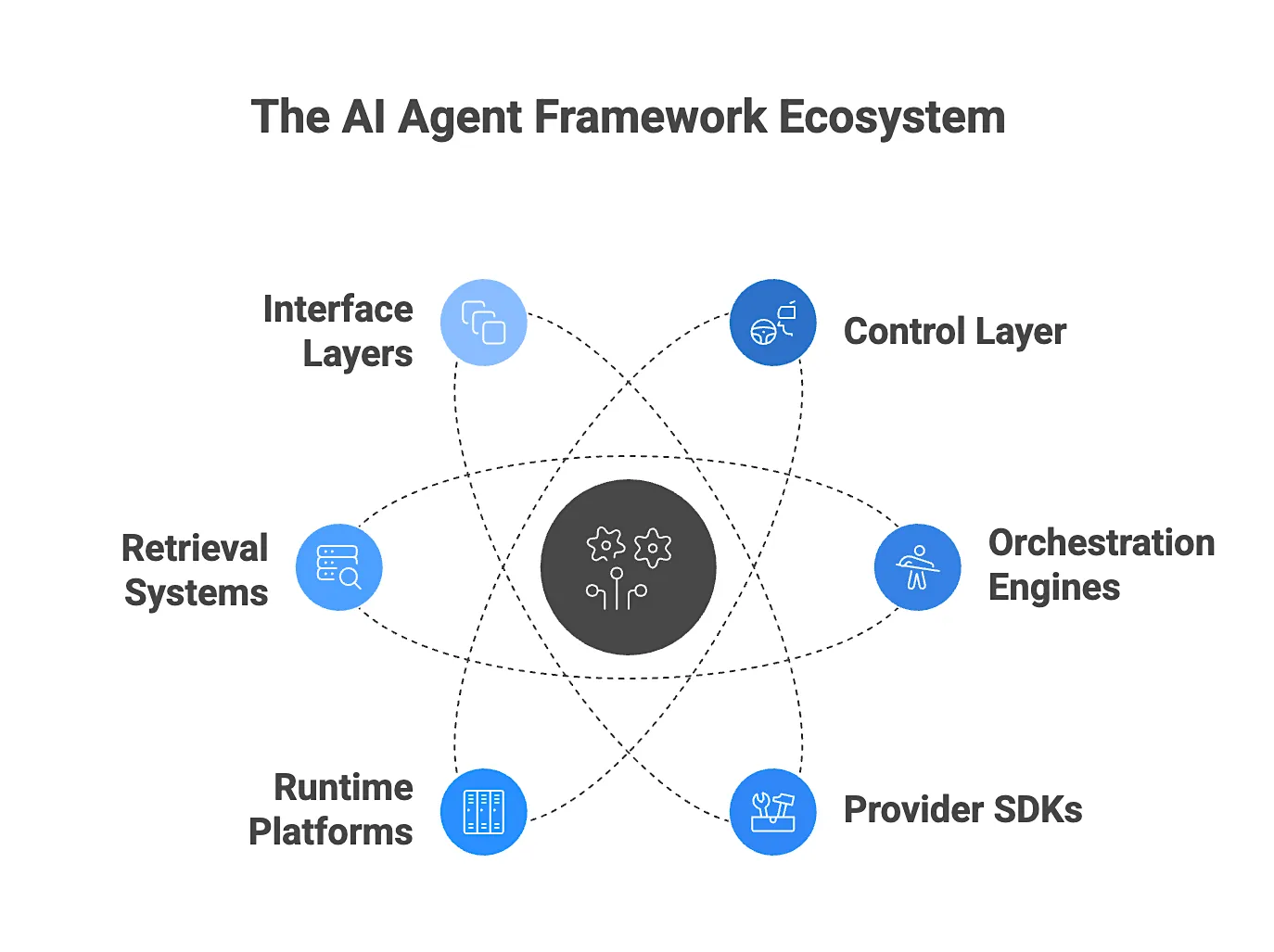
An AI agent framework provides developers with the control layer around an LLM-powered application. It defines how the agent moves through multi-step tasks, calls tools, manages state, follows workflow logic, and interacts with external systems. In practice, the term now covers a broader ecosystem of orchestration engines, provider SDKs (Software Development Kits), runtime platforms, retrieval systems, and interface layers used to build production agents.
Frameworks provide reusable building blocks that make agentic applications more reliable and faster to ship. They’re designed for AI engineers, backend developers, data engineers, and enterprise teams building agents that need to use tools, retrieve information, complete tasks, or operate across business systems.
What an AI Agent Framework Is Not
It’s worth clarifying a few common points of confusion about AI agent frameworks. The framework is not the model. The LLM generates and reasons, while the framework structures how the agent acts, uses tools, and moves through a workflow.
It’s also not automatically a complete application platform or a web data solution. Agents that need current public web data still require access to external search, extraction, or data APIs regardless of which framework is in use.
For simpler use cases, such as static Q&A tools, single-step prompts, or basic chatbots, a full agent framework is likely more infrastructure than the job requires.
Top Picks at a Glance
Core Agent Orchestration Frameworks
- Recommended for stateful, long-running workflows: LangGraph
Model Provider Agent SDKs
- Recommended for OpenAI-native agent apps: OpenAI Agents SDK
Developer Frameworks for Structured Agent Apps
- Recommended for type-safe Python agents with structured outputs: Pydantic AI
Data and Retrieval-Centric Agent Frameworks
- Recommended for agents that work with documents, private data, and retrieval pipelines: LlamaIndex Agents
Agent Gateway and Interface Frameworks
- Recommended for chat-based access to self-hosted AI agent workflows: OpenClaw
Top 12 AI Agent Frameworks by Category
Core Agent Orchestration Frameworks
Core agent orchestration frameworks are for building agents that need to move through multi-step workflows with more control than a basic tool-calling loop. They are most useful when the agent needs persistent state or coordination between multiple agents.
1. LangGraph – Recommended for stateful, long-running workflows
LangGraph is LangChain’s framework for building agent workflows as graphs instead of loose prompt chains. It gives teams more control over execution paths, which is important for longer-running workflows where state and recovery need to be handled deliberately.
Key Features
- Graph-based workflows
- Durable state persistence
- Human review and state editing
- Short-term and long-term memory support
Pros
- Built for production orchestration
- Gives teams fine control over execution paths
- Handles pauses and recovery well
Cons
- More architecture work than simpler SDKs
- Requires comfort with graph-style design
- Too much structure for basic tool-calling agents
Pricing
Open-source framework
Review
“(LangGraph’s) robust framework for building stateful, multi-actor applications with LLMs has transformed how we evaluate and optimize the performance of our AI guest-facing solutions. LangGraph enables granular control over the agent’s thought process, which has empowered us to make data-driven and deliberate decisions to meet the diverse needs of our guests.”
2. Microsoft Agent Framework – Recommended for enterprise agent orchestration in Microsoft environments
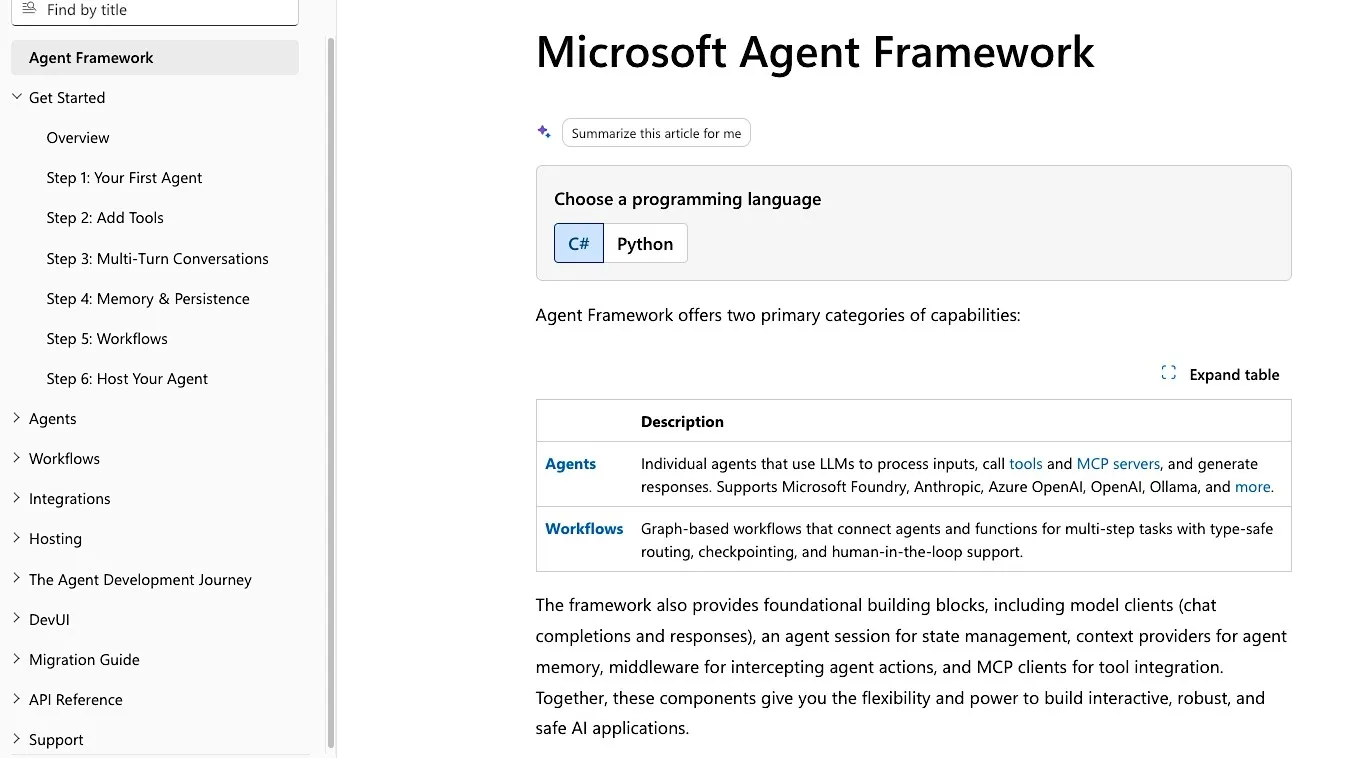
Microsoft Agent Framework is the direct successor to the AutoGen and Semantic Kernel frameworks. It keeps AutoGen’s orchestration patterns, while adding more of the enterprise application structure associated with Semantic Kernel, including state, telemetry, type safety, and broader model support.
Key Features
- Python and .NET support
- Multi-agent workflow orchestration
- Session-based state management
- Telemetry and enterprise controls
Pros
- Better structure for long-running workflows
- Clearer production path than AutoGen
- Connects orchestration with app integration
Cons
- Newer framework with fewer mature implementation examples than AutoGen or Semantic Kernel
- Most useful in Microsoft-oriented environments
- Existing SK or AutoGen teams need migration planning
Pricing
Open-source framework
Review
“Microsoft Agent Framework fills a gap that has existed since enterprises started asking "how do I put AutoGen in production?" The answer: merge it with your enterprise middleware, add proper observability, ship it.”
3. CrewAI – Recommended for role-based agent teams
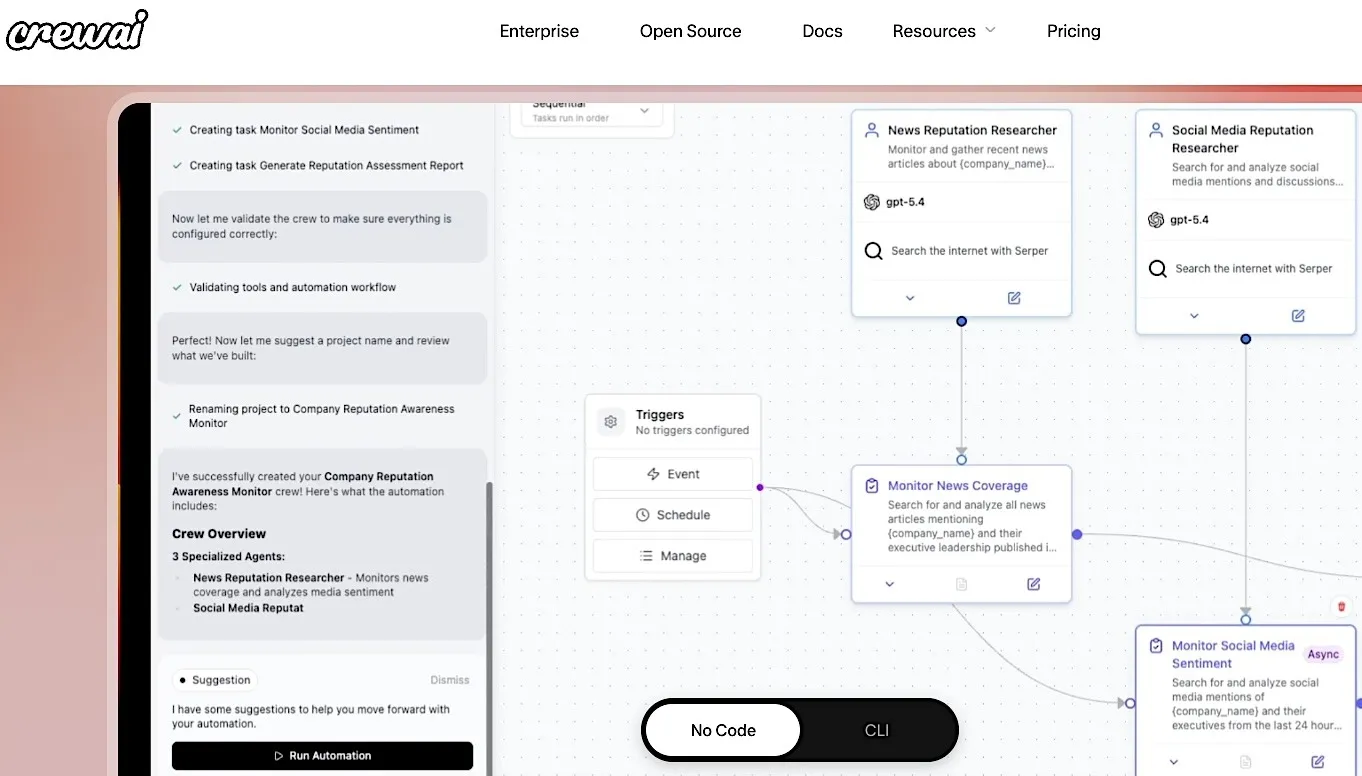
CrewAI is a Python framework for building agent teams with defined responsibilities. Developers can define agents, assign roles, connect tools, and orchestrate work through crews or flows. It works best for tasks split into specialist roles, while still giving those agents a shared process for completing the workflow.
Key Features
- Role-based agents and crews
- Flow-based workflow control
- Memory and knowledge support
- Observability for agent runs
Pros
- Clear model for task delegation
- Useful for collaborative workflows
- Easier to map agents to real roles
Cons
- Role-based patterns can become messy if overused
- Less ideal for highly deterministic workflows
- Limited control over final model requests
Pricing
Limited free plan; custom enterprise pricing
Review
“Stands out with its open-source, role-based multi-agent architecture that enables collaborative, autonomous workflows and fine-grained control, making it more flexible and developer-friendly than other agent frameworks.”
4. AutoGen – Recommended for research-heavy multi-agent experiments
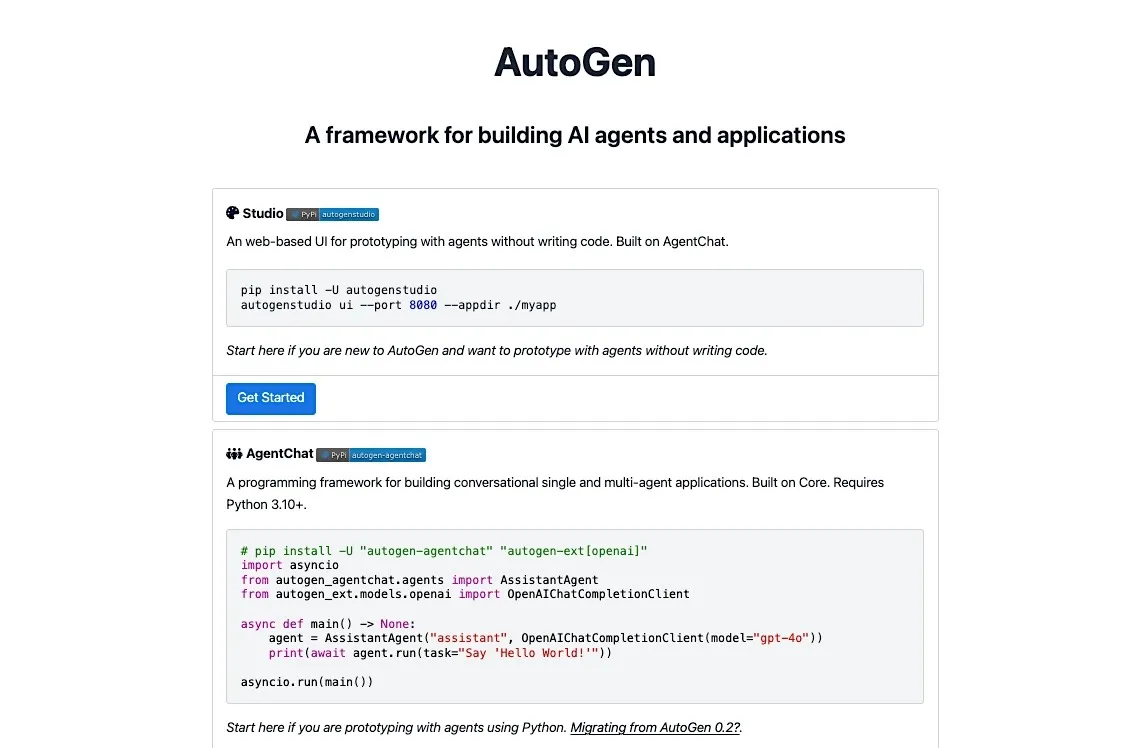
AutoGen is Microsoft’s earlier multi-agent framework built around agents that collaborate through conversation. It remains useful for existing projects and research-heavy experimentation, but Microsoft now directs new users toward Microsoft Agent Framework.
Key Features
- Conversational multi-agent workflows
- Human and tool participation
- Research-friendly experimentation model
Pros
- Useful for prototyping multi-agent concepts
- Flexible conversation model
- Large body of examples and documentation
Cons
- In maintenance mode
- Less compelling for new enterprise builds
- Microsoft Agent Framework is the successor path
Pricing
Open-source framework
Review
“AutoGen definitely makes sense for certain workflows, especially if you’re deep in the Microsoft ecosystem or building research-style multi-agent conversations out of the box.”
Model Provider Agent SDKs
Model provider agent SDKs are developer toolkits from major AI providers for building agents inside or near that provider’s model ecosystem. They typically simplify provider-supported features such as tool calling, tracing, evaluation, and deployment workflows.
5. OpenAI Agents SDK – Recommended for OpenAI-native agent apps
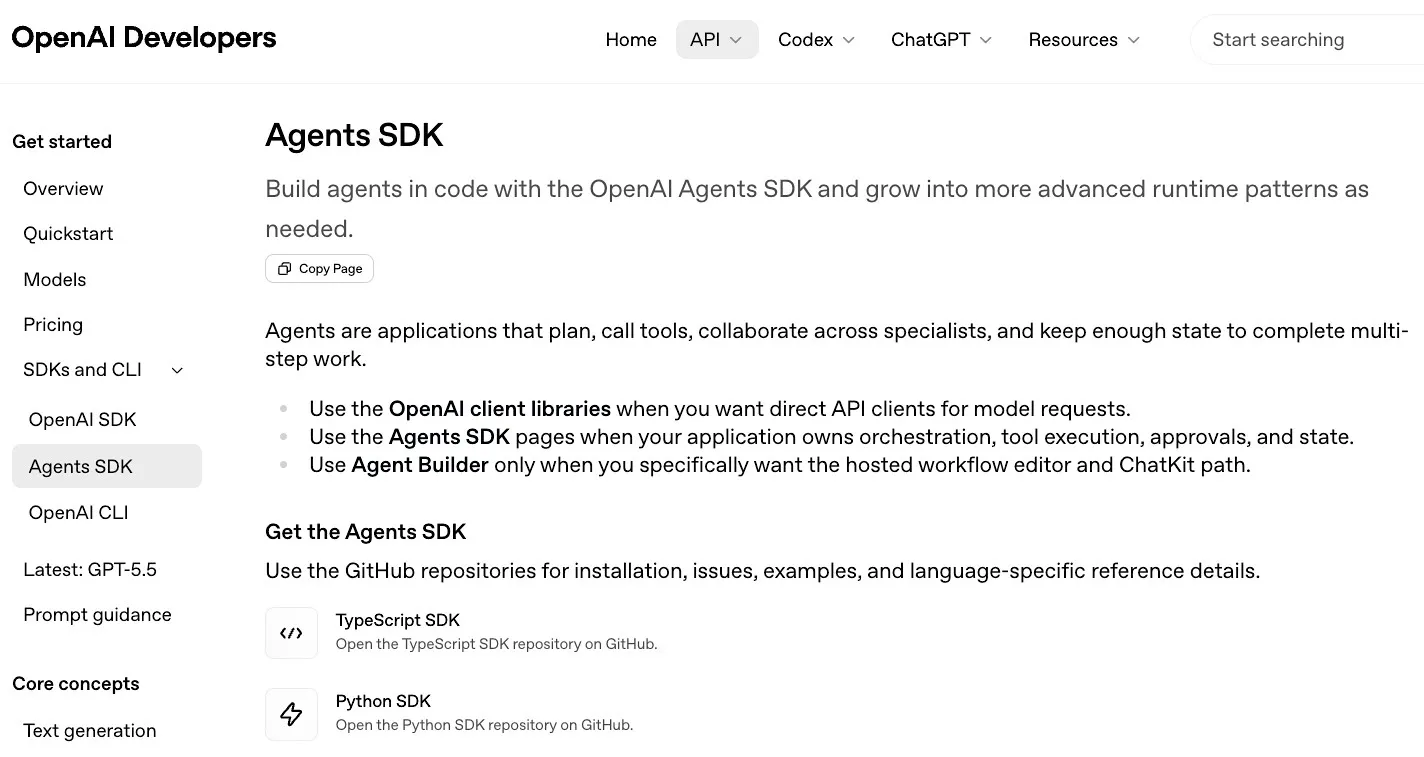
OpenAI Agents SDK is a lightweight orchestration layer for building agents around OpenAI’s Responses API. It handles the agent loop around tool use, handoffs, approvals, and state, so teams do not have to wire that control layer directly on the API.
Key Features
- Handoffs between specialist agents
- Guardrails and structured outputs
- Built-in tracing for debugging and monitoring
Pros
- Fast OpenAI-native development
- Less orchestration code to write
- Good visibility into tool calls, handoffs, and agent runs
Cons
- Tightly tied to the OpenAI ecosystem
- Less flexible for multi-provider architecture
- Complex workflows may still need extra infrastructure
Pricing
Free SDK; API usage costs apply.
Review
“If your team values minimal abstractions, built-in tracing, and access to powerful hosted tools (web search, code interpreter, file search), the Agents SDK provides these capabilities with less friction than any alternative.”
6. Google Agent Development Kit – Recommended for Gemini and Google Cloud agent development
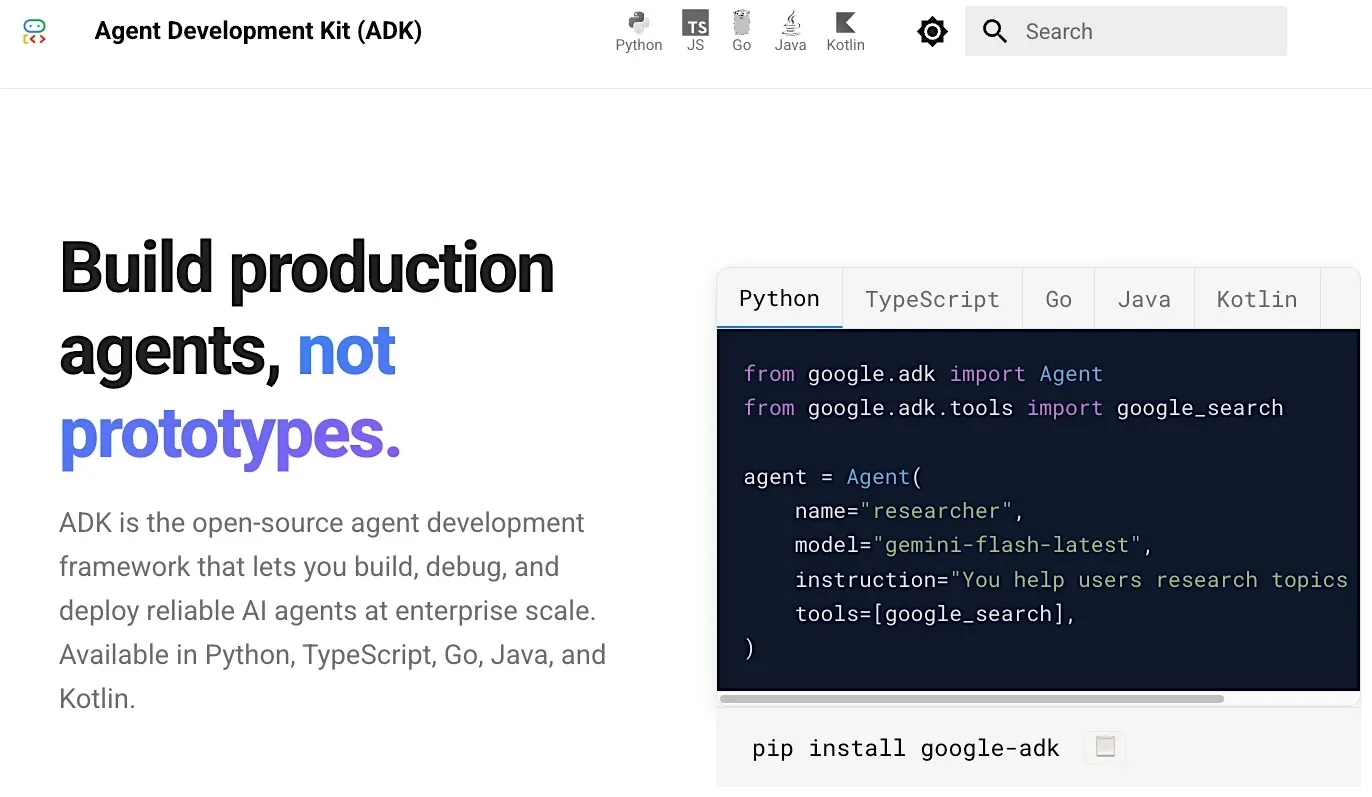
Google ADK is a code-first framework for creating agents in the Gemini and Google Cloud ecosystem. It is model-agnostic, but its clearest advantage is that teams can prototype agents locally and later run them through Google’s managed AI infrastructure.
Key Features
- Code-first agent logic
- Local testing and debugging
- Evaluation tooling
- Multi-agent workflow support
Pros
- Not limited to Gemini models
- Clear route from prototype to managed deployment
- Supports hierarchical agent patterns
Cons
- Newer public implementation patterns than older agent frameworks
- More setup than simple SDKs
- Production governance depends on the surrounding tooling
Pricing
Open-source framework; cloud costs apply
Review
“Google ADK is seriously underrated for building production agents.”
Developer Frameworks for Structured Agent Apps
These frameworks help teams add agents into software products, backend services, and enterprise applications. They are usually chosen when teams need agent logic to fit cleanly inside application code, with clearer control over tools, outputs, and business logic.
7. Pydantic AI – Recommended for type-safe Python agents with structured outputs
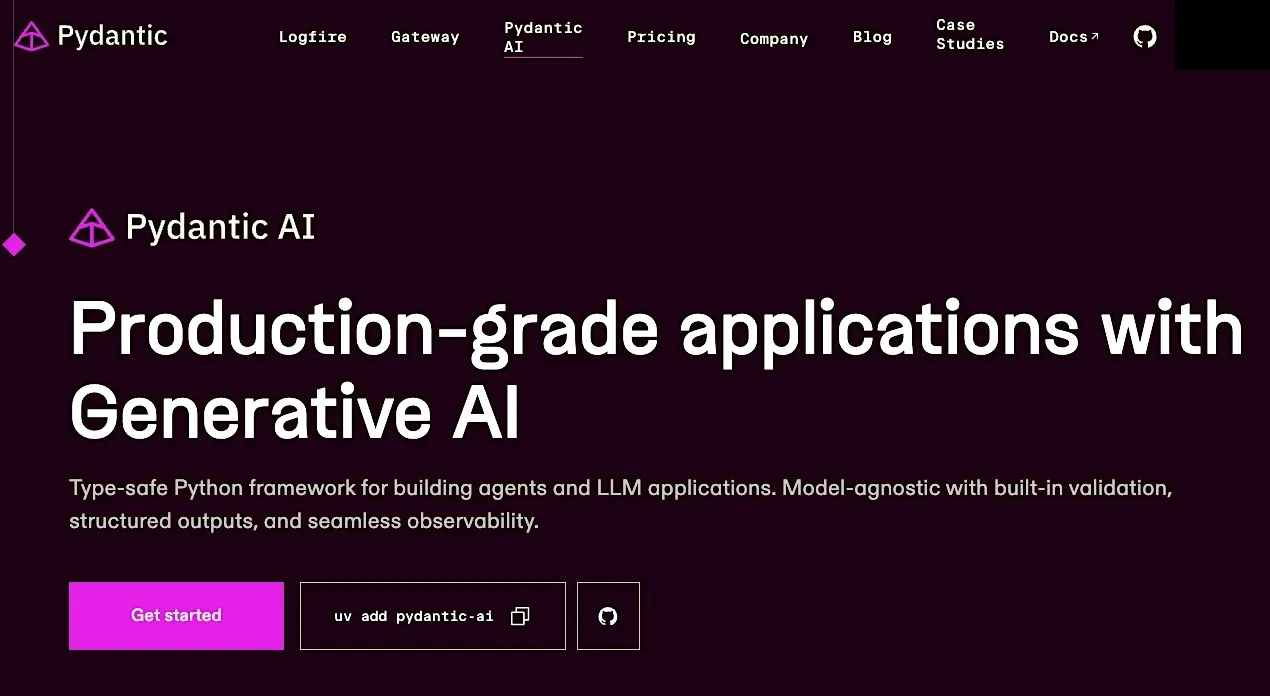
Pydantic AI is a Python agent framework for building LLM applications with typed dependencies, tool calling, and validated outputs. It supports multiple structured output modes, so teams can choose how strictly the model’s response should conform to a schema.
Key Features
- Type-safe agent outputs
- Multiple output modes
- Pydantic schema validation
- Tool calling
Pros
- Strong output validation
- Excellent fit for schema-heavy agent apps
- Familiar to teams already using Pydantic
Cons
- Python-first ecosystem
- Less focused on visual orchestration
- Not ideal for large agent teams
Pricing
Open-source framework
Review
“Our project required heavy experimentation with different models and approaches. PydanticAI proved to be flexible enough to make these experiments possible, without losing the robustness required for the production environment.”
8. Mastra – Recommended for TypeScript and JavaScript agent apps
Mastra is a TypeScript framework for building agents inside modern web and backend applications. Its main advantage is that agent logic can live alongside product code, with workflows, RAG, evals, and observability handled in the same development environment.
Key Features
- TypeScript-first agent framework
- Workflow and RAG support
- Evals and observability
- Framework and server integrations
Pros
- Natural for JS/TS teams
- Keeps agents close to app code
- Covers more than basic agent orchestration
Cons
- Smaller ecosystem than older frameworks
- Not ideal for teams standardized on Python ML
- Advanced orchestration may need additional design work
Pricing
Open-source framework; paid hosted platform plans and usage-based costs
Review
“Honestly, I'm not sure how I would have built these agents without [Mastra]. The playground has also been really nice for easily testing different flows."
9. Semantic Kernel – Recommended for adding agents to existing enterprise applications
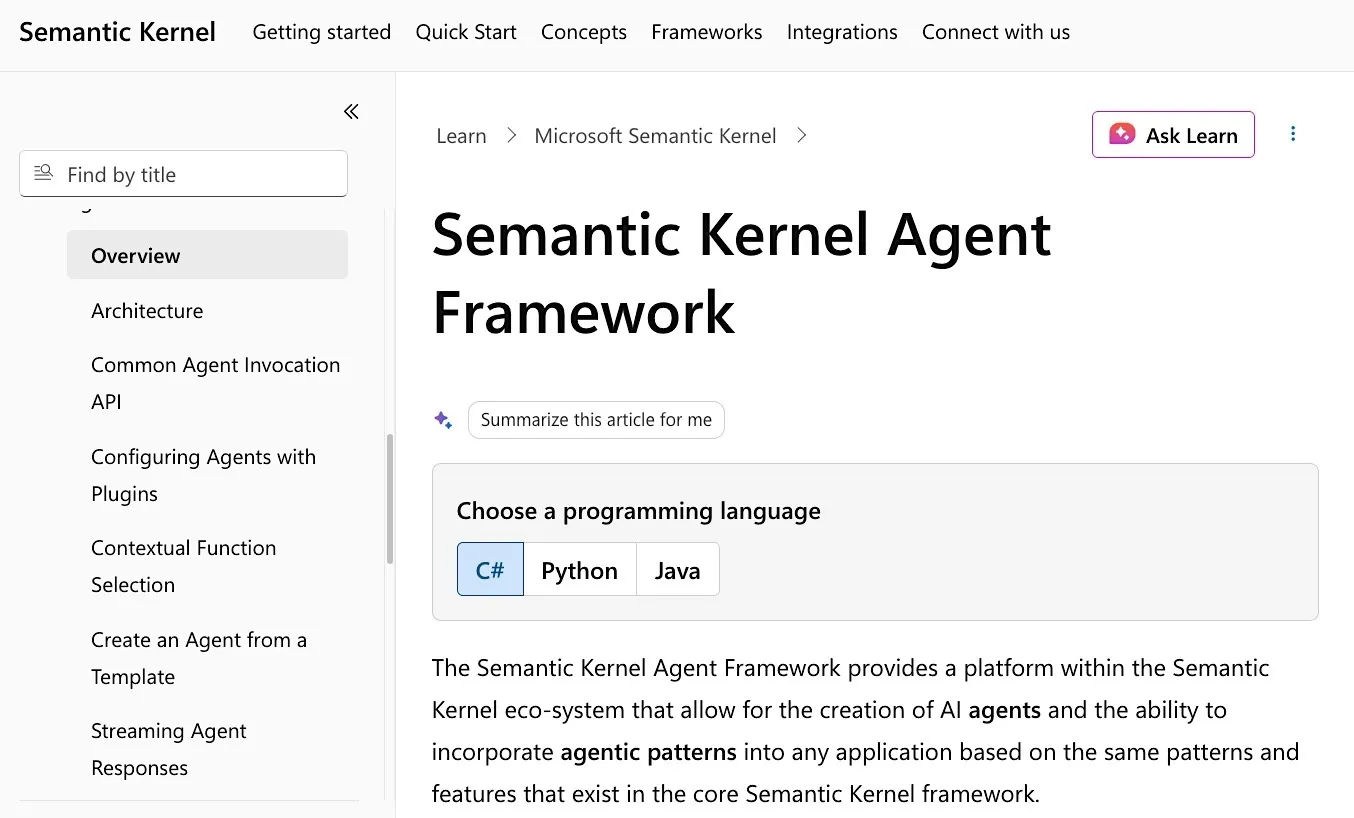
Semantic Kernel acts as middleware between AI models and the services behind an application. Its plugin model makes business logic available to agents, while .NET, Python, and Java support make it easier to use in enterprise codebases. While still used in production, Microsoft Agent Framework is considered its successor for enterprise-ready agent development.
Key Features
- Model-agnostic SDK
- Plugin-based function calling
- .NET, Python, and Java support
- Built-in agent abstractions
Pros
- Works well in enterprise codebases
- Makes existing services available to agents
- Supports multiple model providers
Cons
- Microsoft Agent Framework is now the successor path for many new agent builds
- Less suited to open-ended agent experimentation
- Too broad for simple agent builds
Pricing
Open-source framework
Review
“If your stack is Microsoft-heavy and you need agent orchestration with solid DI, skills, and planners, Semantic Kernel is a strong, pragmatic choice.”
Data and Retrieval-Centric Agent Frameworks
These frameworks focus on agents that depend on data access, retrieval quality, or production runtime management. They make the most sense when the agent’s output depends on documents, knowledge bases, external tools, sessions, or managed agent operations.
10. LlamaIndex Agents – Recommended for agents that work with documents, private data, and retrieval pipelines
LlamaIndex Agents are the agent layer of LlamaIndex, a framework for connecting LLM applications to external data. They let agents use tools, query indexes, and work with context from private documents or knowledge bases as part of a larger workflow.
Key Features
- Retrieval-focused agent workflows
- Query engine tool use
- Document and knowledge base integration
- Indexing, retrieval, and agent memory support
Pros
- Strong fit for RAG and document-heavy agents
- Useful when private data is central to the workflow
- Mature indexing and data connectors
Cons
- Less focused on broad agent orchestration
- Retrieval quality depends on data preparation
- Live web access needs external tooling
Pricing
Open-source framework
Review
“[LlamaIndex] has granted me the ability to input data in formats such as PDFs or API, databases and excel, which makes it easier for me to train and execute LLMs with numerous datasets.”
11. Agno – Recommended for production agent platforms with runtime management
Agno is an SDK for building agent platforms and running agents as managed services, including agents built with different frameworks. Teams with a growing agent program can use it to bring scheduling, access control, traces, and audit history into one operating layer.
Key Features
- Production agent runtime
- Persistent sessions and API serving
- Tracing, scheduling, RBAC, and audit trails
- Control plane for agents
Pros
- Helps standardize agent operations
- Useful when agents become shared services
- Can support teams using mixed agent frameworks
Cons
- More of a platform than a lightweight SDK
- Higher setup effort
- Can add unnecessary structure to smaller agent builds
Pricing
Open-source framework
Review
“Picked for its powerful agent framework and clean abstractions, letting us move faster and prototype complex behaviors with far less friction than other AI stacks.”
Agent Gateway and Interface Frameworks
Agent gateway and interface frameworks focus on how users reach and interact with agents. Use them when the main challenge is connecting agent workflows to chat apps, messaging platforms, or other channel surfaces through a self-hosted gateway.
12. OpenClaw – Recommended for chat-based access to self-hosted AI agent workflows
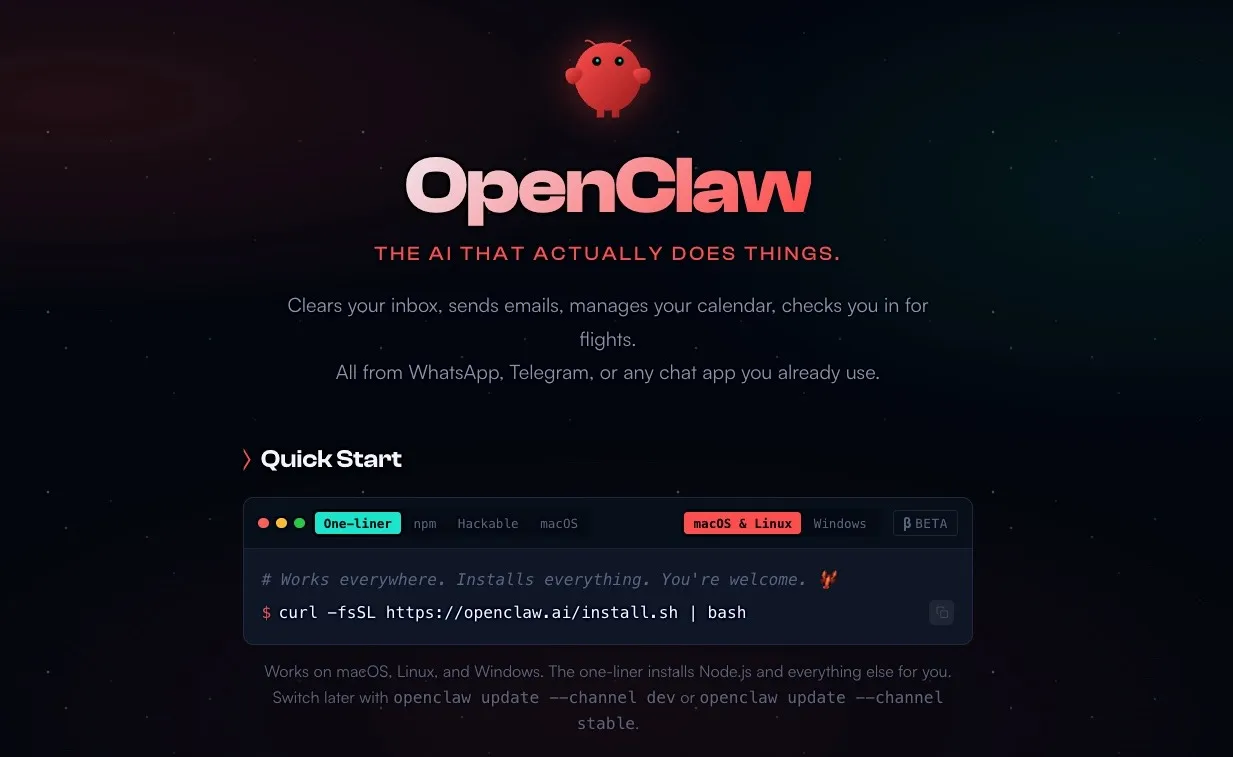
OpenClaw is a self-hosted gateway that connects chat apps and channel surfaces to AI coding agents. Teams run one Gateway process on their own machine or server, and that process acts as the bridge between messaging apps and an always-available AI assistant. It supports channel plugins, sessions, memory, tool use, and multi-agent routing, so it fits best as an access layer for agent workflows rather than a deep orchestration framework.
Key Features
- Self-hosted gateway deployment
- Chat and messaging access
- Channel-to-agent bridge
- Local or server-based control
Pros
- Keeps agent access user-friendly
- Useful for internal assistant workflows
- Gives teams more hosting control
Cons
- Less mature than larger frameworks
- Not built for deep orchestration
- Self-hosting and agent access require careful security isolation, access permissions, and monitoring
Pricing
Open-source framework
Review
“The core issue is: Memory, and everything else flows from it. OpenClaw runs as a persistent agent. It’s supposed to be your always-on assistant. But its memory is unreliable, and the worst part - you don’t know when it will break.”
How We Compared These Tools
We evaluated the frameworks by reviewing the public materials available for each tool as of 27 May 2026. Then, we assessed each framework within its own category, so that tools designed for different agent workflows were not forced into the same comparison.
What we reviewed:
- Official documentation and vendor feature pages
- Pricing information (where available)
- Security and compliance information
- Credible technical comparisons and third-party reviews
How we compared tools:
We focused on each framework’s core agent capabilities, adoption effort, integration and automation support, governance or admin controls where relevant, visibility into agent behavior, and overall fit for the use case.
Each AI agent framework category had its own evaluation focus:
- Core Agent Orchestration Frameworks – How much control does the framework give teams over multi-step workflows, state, tool use, and longer-running agent behavior?
- Model Provider Agent SDKs – How much of the agent loop does the provider handle for teams already building in that ecosystem?
- Developer Frameworks for Structured Agent Apps – How does agent logic fit into application code, typed outputs, backend services, and normal developer workflows?
- Data and Retrieval-Centric Agent Frameworks – How well does the framework help agents retrieve context from documents, indexes, private data, or search systems?
- Agent Gateway and Interface Frameworks – How easily can teams expose agents through chat, messaging, self-hosted deployment, or other user-facing channels?
We did not run hands-on benchmarks for each framework, and we avoided mentioning capabilities that were undocumented or only loosely implied.
Why AI Agent Frameworks Still Need a Data Layer
Framework selection is critical for agents working inside production workflows. Even if your organization is still experimenting, the framework influences how agent behavior is structured and how easily the workflow scales into production systems. The right choice now can reduce rework later, whether your organization is already deploying agents or testing workflows that may become business-critical.
While frameworks can orchestrate the workflow, they do not automatically solve live web data access. Used with the right framework, Nimble provides the live web data layer that most agent frameworks do not include. The platform’s Web Search Agents and AI Search API deliver real-time, structured web data without forcing teams to maintain scraping, proxy, and browser infrastructure. It browses the live web at request time, extracts public data, and returns structured outputs that agent workflows can use directly.
Book a Nimble demo to see how real-time structured web data can power production AI agents.
FAQ
Answers to frequently asked questions

.png)
.avif)
.webp)

.webp)
.webp)
.webp)