









Amazon Dynamic Pricing: How to Track, Understand, and Analyze It



Tom Shaked
.webp)
Amazon Dynamic Pricing: How to Track, Understand, and Analyze It
Tom Shaked
Amazon Dynamic Pricing: How to Track, Understand, and Analyze It
Amazon’s marketplace is a study in shifting variables, particularly when it comes to product pricing. Millions of sellers (including Amazon itself) are competing against each other for higher rankings and increased conversions in an attempt to win the Buy Box, which manifests as prices that vary wildly in response to factors such as demand or inventory levels. To fight your way to the top of the heap today, understanding how pricing moves on the marketplace is essential, and it’s even more critical to adopt the right strategy.
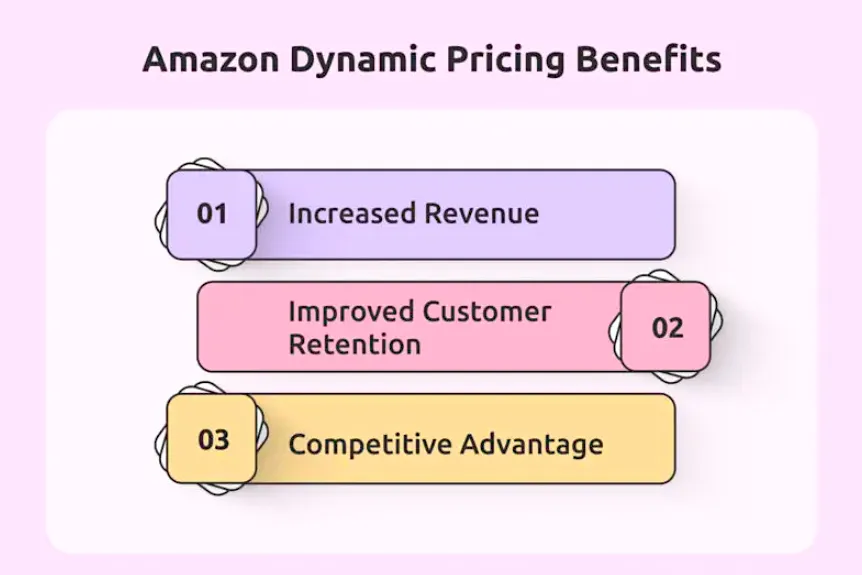
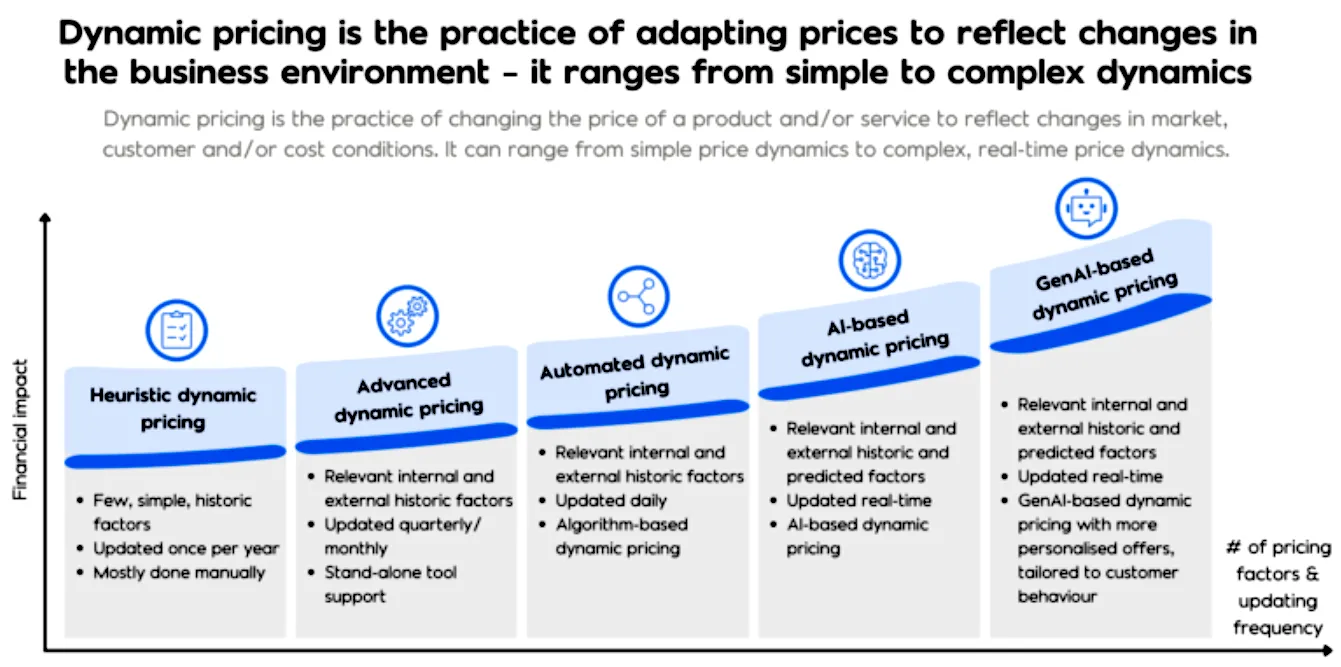
Today, Amazon sellers are turning their attention to dynamic pricing. This model allows sellers to monitor market conditions and adjust prices automatically or strategically based on real-time signals in market, customer, and cost conditions. Research indicates that dynamic pricing can increase profits by 5-8% on average when it is driven by timely, accurate market data.
But to succeed with dynamic pricing, sellers need continuous visibility into Amazon’s price movements and a reliable way to interpret those changes at scale. Leveraging real-time, structured data makes it possible to uncover current pricing patterns, identify revenue opportunities, and make informed decisions that increase sales. Here’s what you need to know about Amazon dynamic pricing and how to implement it to grow your e-commerce business.
What is Amazon dynamic pricing?
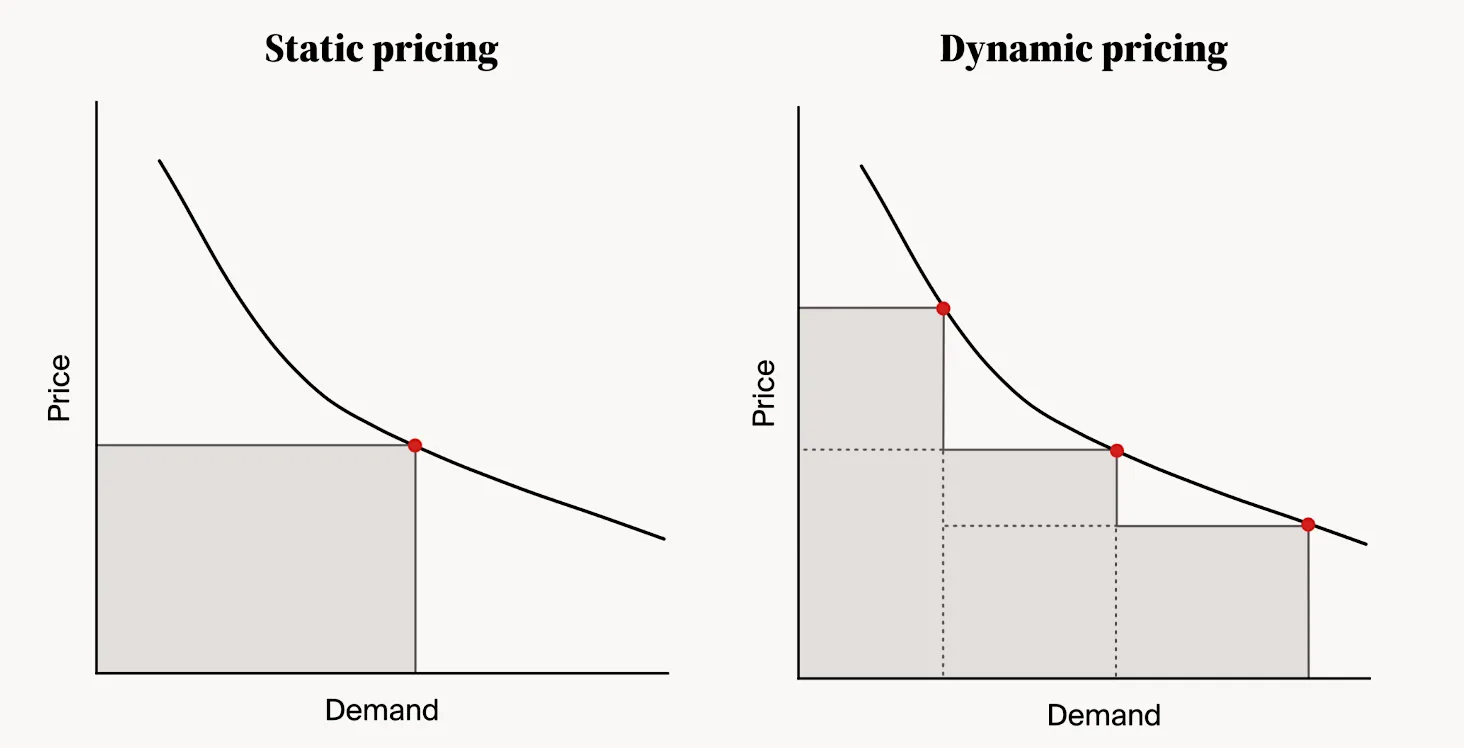
Amazon dynamic pricing is a real-time or near–real-time pricing model where product prices change frequently based on market conditions. Instead of setting a fixed price, prices are continuously adjusted in response to signals such as:
- Demand fluctuations
- Competitor pricing
- Inventory levels
- Time-based factors
- Shopper behavior
Dynamic pricing is used across the Amazon ecosystem, with the platform algorithmically updating prices across millions of first-party and marketplace listings to stay competitive and maximize conversion. Industry research shows that Amazon performs these price updates roughly 2.5 million times daily, which has boosted its revenue by 25%.
Many sellers and brands adopt dynamic pricing to stay competitive in the Buy Box as prices shift quickly across the marketplace. For teams managing pricing across Amazon and other channels, dynamic pricing also helps align marketplace pricing with broader pricing and revenue strategies, especially during high-traffic events like Amazon Prime Day.
Why Dynamic Pricing Matters on Amazon
The importance of dynamic pricing on Amazon comes down to visibility and performance in a crowded marketplace. Price plays a central role in Buy Box eligibility and directly affects how often a product converts once shoppers see it.
In many categories, small price differences are often enough to change which seller appears in the Buy Box and where demand flows. With intense competition and constant promotional activity, static pricing leaves sellers exposed to rapid shifts they cannot see or respond to in time.
Dynamic pricing helps brands adapt to these conditions by allowing teams to respond quickly as market conditions shift, and without introducing lag into pricing decisions. When supported by accurate, real-time data delivered through reliable data pipelines, dynamic pricing becomes a strategic tool that helps teams make decisions aligned with current marketplace conditions.
Amazon Dynamic Pricing: How does it work?
Amazon dynamic pricing follows a defined, step-by-step process that governs how prices change across the marketplace:
Step 1: Data Collection
Amazon continuously collects vast amounts of real-time data that shape competitive conditions across the Amazon marketplace. It includes:
- Competitor prices
- Product availability
- Seller performance metrics
- Historical sales velocity
- Demand trends
- Shopper behavior (such as clicks and conversions)
When teams analyze Amazon dynamic pricing externally, this data is often gathered through price scraping or similar extraction methods that observe how listings change over time.
Step 2: Trigger Identification
In Amazon’s pricing system, a trigger is simply a signal that something in the market has changed enough to warrant a closer look at price. That signal might come from a competitor adjusting their price, demand moving quickly, a promotion starting, or inventory reaching a critical level. When one of these signals appears, Amazon reassesses pricing for that listing.
Step 3: Algorithmic Decisioning
Once a trigger point is hit, Amazon’s pricing algorithms weigh that signal against other marketplace factors to decide how the price should change. Those factors reflect broader pricing conditions in the category and how competitive the listing is for the Buy Box at that moment. The goal is to adjust pricing in ways that support conversion and overall marketplace performance.
Step 4: Price Adjustment
When a pricing decision occurs, prices are updated dynamically on the marketplace and often happen multiple times per hour, particularly in fast-moving categories. To shoppers and sellers, this can look like constant price movement, even though each change reflects a specific pricing decision.
Step 5: Seller-Level Dynamic Pricing Tools
Outside of Amazon’s own pricing system, third-party sellers and brands respond to these price changes using their own dynamic pricing tools or repricers. This software uses rules or algorithms to adjust seller prices in response to marketplace conditions, such as competitor pricing and Buy Box dynamics.
Step 6: Continuous Feedback Loop
After a price change, performance data is captured and used in subsequent pricing decisions. Metrics such as conversion outcomes and Buy Box results influence future pricing decisions. Over time, this feedback loop allows pricing algorithms to adjust how they respond to changing market conditions.
How to Track Amazon Dynamic Pricing
Tracking Amazon dynamic pricing accurately requires observing changes as they happen. Teams need visibility into competitor pricing, availability, Buy Box ownership, and promotions across relevant SKUs and categories, which are often monitored as part of broader digital shelf analytics efforts. Because these factors change rapidly, accurate tracking must be continuous and based on real-time, structured data. Without it, price changes are easy to spot but hard to explain, making an informed response challenging at best.
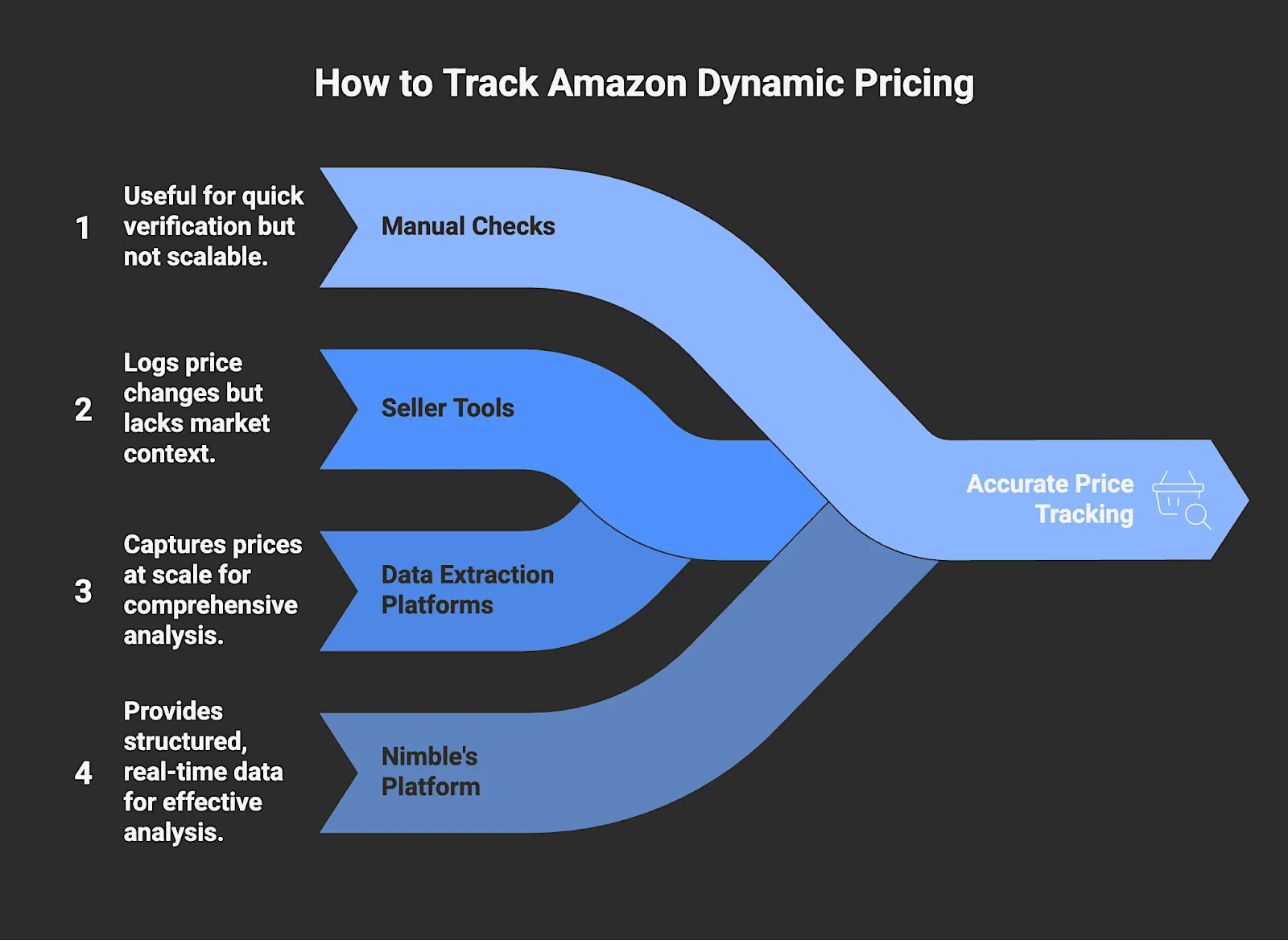
3 Ways to Track Amazon Dynamic Pricing
Most teams rely on one of the following approaches:
1. Manual Checks of Amazon Product Pages
Surprisingly, some teams still check Amazon listings manually to spot price changes. While this can be useful for quick verification or minimal edge cases, it breaks down fast in a dynamic pricing environment. Prices change too frequently and across too many listings for manual checking to support accurate ongoing tracking or data-driven decision-making at scale.
2. Seller Tools or Marketplace Platforms
Many e-commerce businesses track Amazon dynamic pricing through various seller tools and marketplace platforms, which can be used to log price changes over time. The problem is that these tools treat pricing as a feature to look at, not as a signal to work with. You can see changes, but it’s challenging to use that information to explain why prices are moving or how those shifts relate to the broader market.
3. Advanced Data Extraction Platforms
Savvy e-commerce organizations use advanced data extraction platforms to repeatedly capture Amazon listing prices at scale. Each capture records the current price and related listing details for a defined set of products and sellers. Tracking Amazon dynamic pricing comes from comparing those recorded prices over time, which makes it possible to see when prices change, how often they change, and which listings or sellers are driving those shifts.
How Nimble’s Platform Enables Accurate Price Tracking
Effective Amazon dynamic price tracking starts with consistent data across large product sets. E-commerce teams need a way to observe Amazon pricing changes continuously and work with that information in a structured form that supports analysis over time.
Nimble supports pricing teams by providing continuous access to real-time Amazon pricing data at scale. Its Web Search Agents and APIs collect pricing, availability, promotional signals, and Buy Box data and deliver the output in structured, analysis-ready formats. Pricing and analytics teams can track Amazon price behavior by SKU, competitor, or category using data that reflects current market conditions.
How to Analyze Amazon Dynamic Pricing
Analyzing Amazon dynamic pricing focuses on interpreting how prices change on Amazon and what those changes reveal about market behavior. To do it right, follow these six steps:
6 Ways to Analyze Amazon Dynamic Pricing Effectively
1. Analyze Price Movement Over Time
Start by examining how Amazon dynamic pricing changes over time. It often follows recognizable patterns, and seeing them early helps keep later analysis grounded. Review historical price data using consistent time intervals to understand how often prices tend to move and how long they usually remain unchanged.
2. Analyze Competitive Price Reactions
Next, examine how Amazon dynamic pricing responds across sellers when a price change occurs. Pay attention to whether competitors adjust prices quickly or take time to respond, and whether a change prompts any reaction at all. Analyzing these responses clarifies how competitive pressure actually plays out on Amazon and which price changes tend to influence the market.
3. Evaluate the Relationship Between Price and Buy Box Outcomes
Examine how Amazon dynamic pricing changes align with Buy Box wins and losses. Looking at these together helps clarify how pricing influences Buy Box eligibility for different products and when price changes are more likely to shift control of the Buy Box.
4. Connect Pricing Changes to Performance
Compare Amazon dynamic pricing changes with shifts in conversion and sales volume by reviewing performance metrics before and after pricing updates. Comparing these changes helps show when pricing plays a clear role in demand and when other factors appear to be driving results.
5. Account for Inventory Effects on Pricing
When product availability changes, Amazon dynamic pricing can behave differently. Limited stock or out-of-stock conditions often determine how it responds to competition in the same way or moves upward instead. Including inventory context in pricing analysis helps explain why price behavior can shift even when demand and competitive conditions appear similar.
6. Segment Products to Interpret Pricing Behavior
Different products respond differently to Amazon dynamic pricing. Segmenting SKUs based on shared characteristics allows teams to analyze pricing behavior in context, rather than assuming all products react the same way to price changes. Segmentation helps clarify which pricing patterns are driven by product-specific dynamics and which reflect broader market behavior.
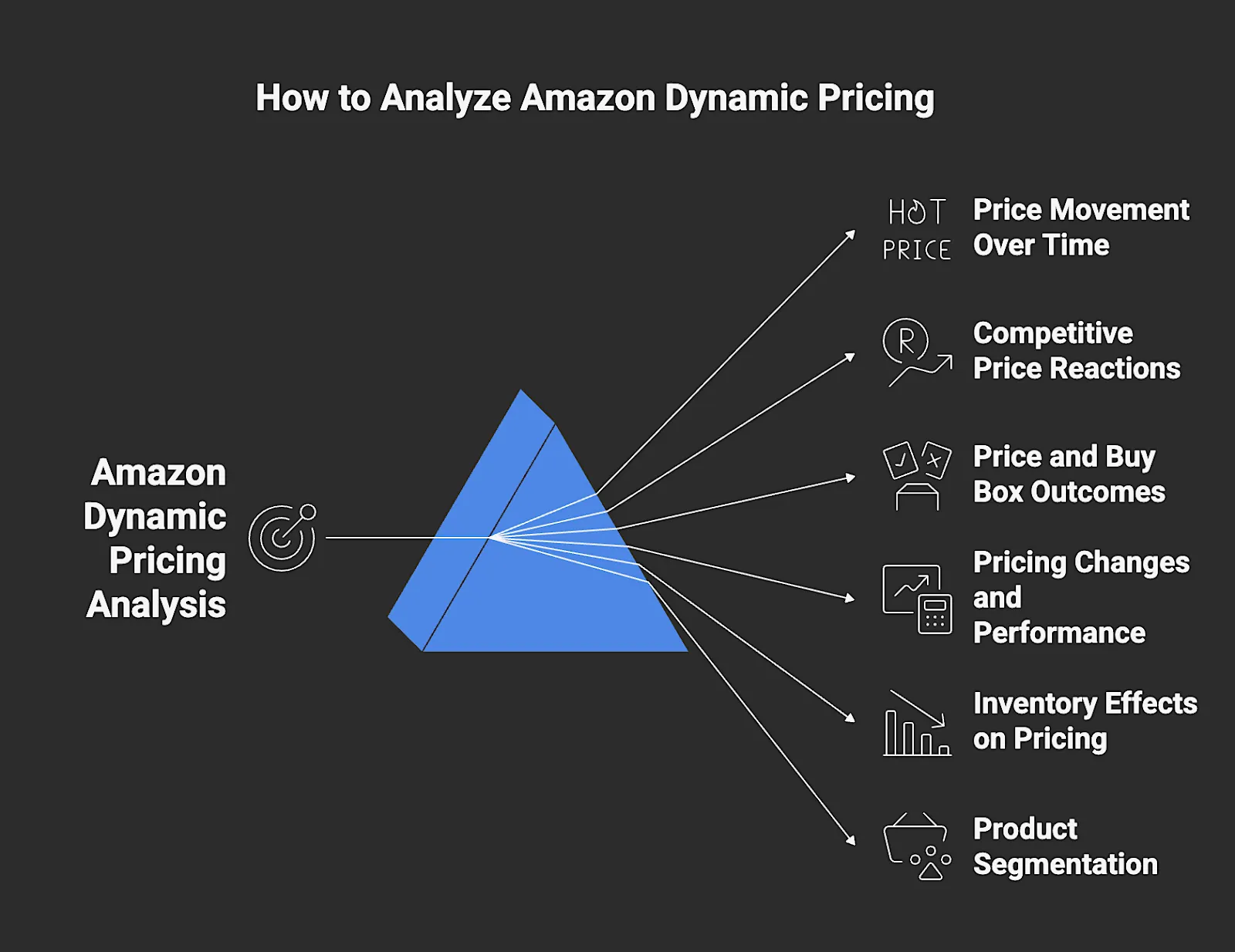
When done well, Amazon dynamic pricing analysis provides an evidence-based view of how pricing has evolved across products and competitive conditions. It gives teams a defensible way to explain why prices moved the way they did on Amazon and apply those learnings to future pricing strategies. For many organizations, these insights are reviewed alongside broader efforts to measure marketing success and understand how pricing outcomes connect to overall performance.
How Nimble Supports Amazon Dynamic Pricing Analysis
The best way to analyze how Amazon dynamic pricing behaves is by leveraging real-time pricing data that reflects current market conditions and can be analyzed consistently over time. Nimble enhances this process by delivering continuously updated Amazon pricing data through Web Search Agents and APIs that capture price changes throughout the day and deliver the data in structured, analysis-ready formats. Pricing and analytics teams can work with this data directly to examine dynamic pricing behavior across products and competitive conditions.
Turn Amazon Dynamic Pricing Into a Competitive Advantage
Amazon dynamic pricing continues to evolve as prices change frequently in response to marketplace conditions. Teams that succeed with dynamic pricing are able to track price changes as they occur and explain why those changes happen. The key to doing it right is having continuous, accurate, and structured pricing data that reflects current Amazon marketplace conditions.
Nimble supports effective Amazon dynamic pricing use and analysis at scale through its Web Search Agents and APIs. They help teams analyze price movement and apply those insights across large catalogs by delivering real-time Amazon pricing, promotions, and availability data in analysis-ready formats. E-commerce businesses can rely on a consistent stream of trusted data to power strategies that boost rankings and increase conversions.
To gain a competitive advantage, book a Nimble trial today and see how real-time Amazon pricing data supports accurate tracking and analysis at scale.
FAQ
Answers to frequently asked questions
.webp)

.webp)
.avif)